Adobe, Wood, And Brick Buildings

Tombstone Commercial Roofing Contractor

Tombstone commercial roofing contractor for older adobe, wood, and brick buildings, where we check the deck and parapets before choosing a new roof.

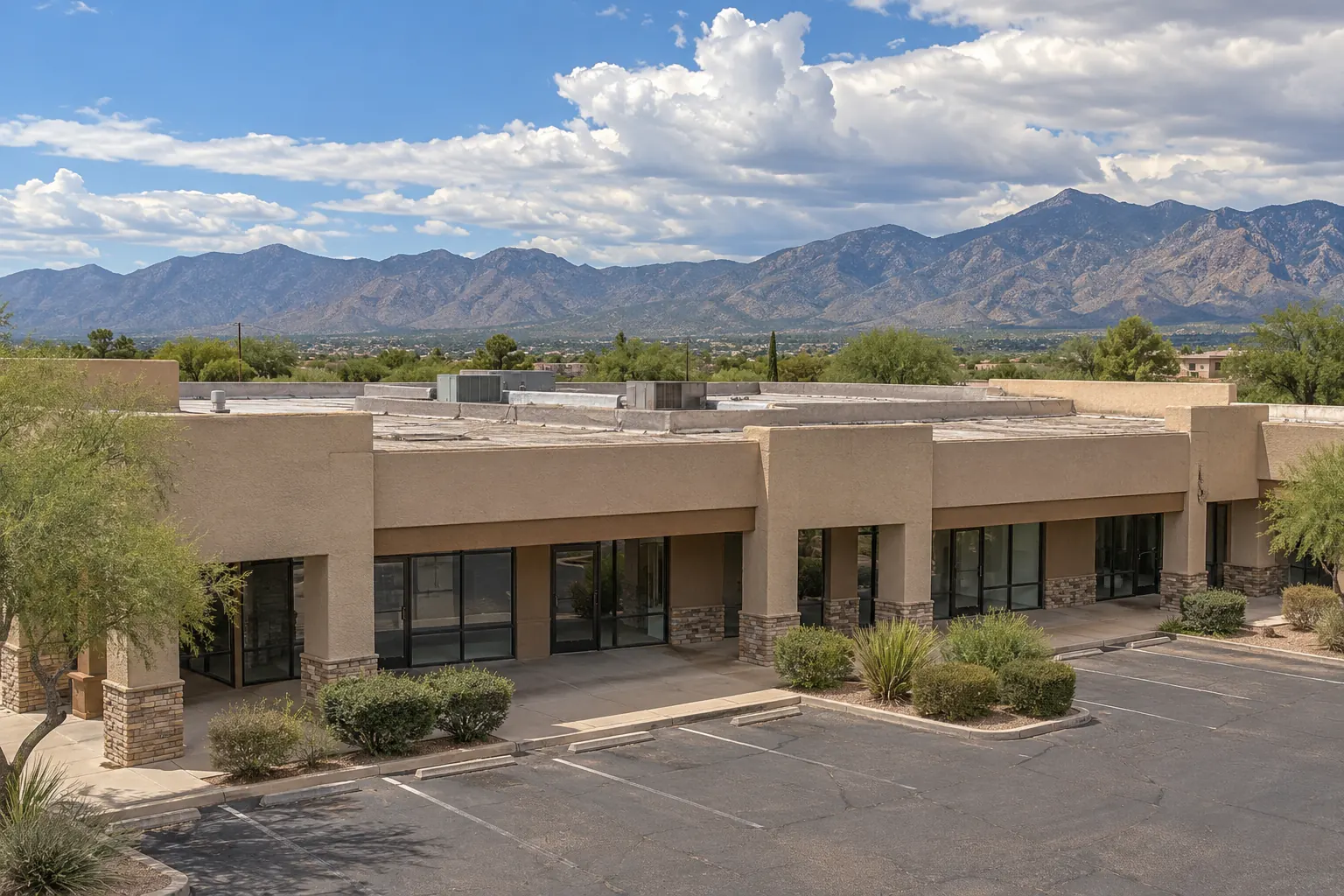
Single-story stucco commercial building with flat roofs behind parapets

New Roofs On Old Buildings

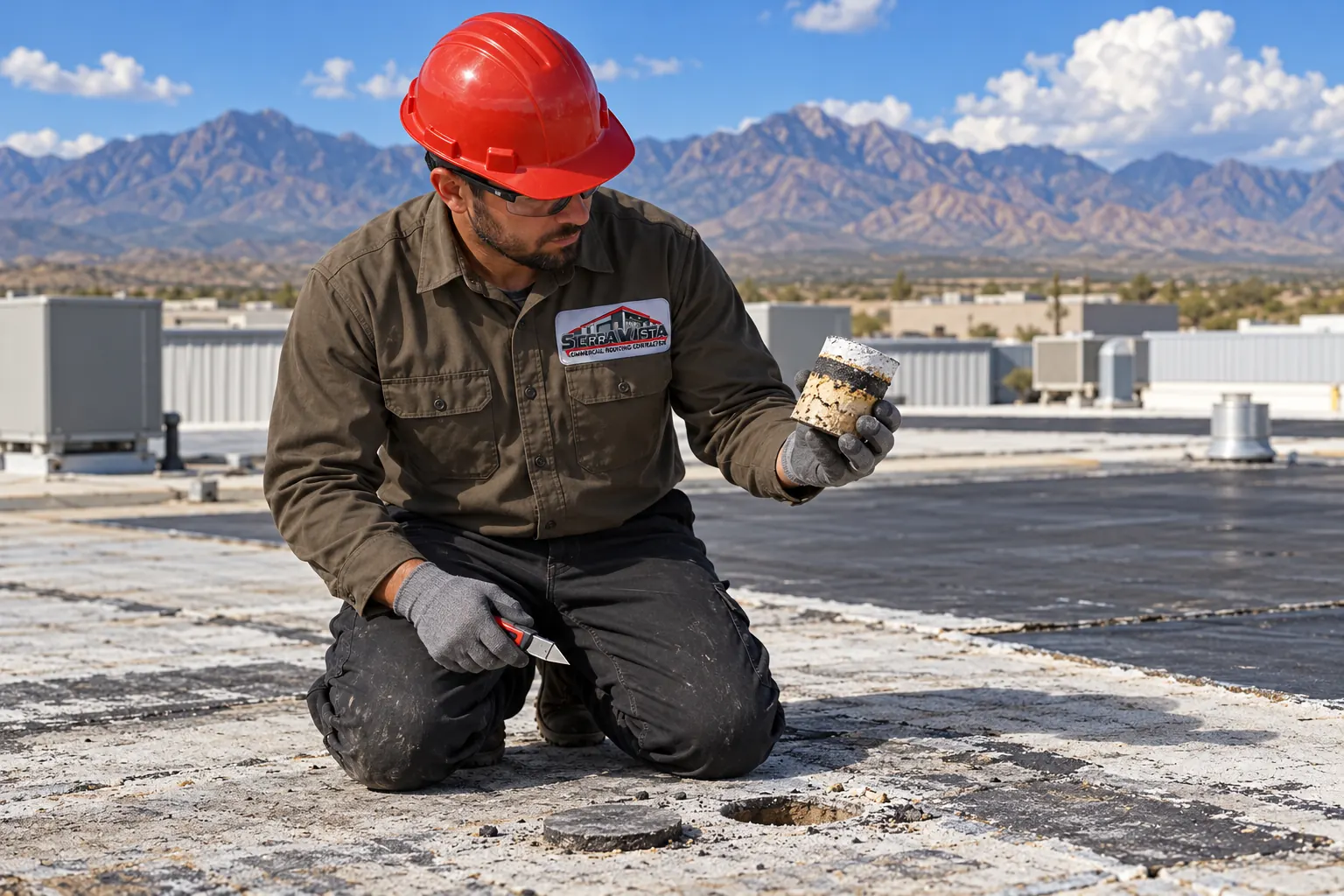
Roofer holding a core sample cut from an aged flat roof to show its layers

Tombstone was declared a National Historic Landmark in 1961, and the buildings in its district are mostly one or two stories of adobe, wood, or brick. Many have flat roofs hidden behind tall front parapets.

On buildings this old, the membrane is the easy part. The wood deck, the parapet tops, and the scuppers through thick walls decide what the new roof needs.

  • Core cuts to check the wood deck under old roofing
  • Parapet caps that keep water out of adobe and brick
  • Through-wall scuppers rebuilt so water clears the wall
  • Historic commission review planned in before the permit

What Old Tombstone Roofs Hide

Older commercial buildings show their age under the roofing more than on top of it.

Age

Soft Or Rotted Wood Decking

You See
Spongy spots underfoot and sagging between joists.
What It Means
Decades of small leaks rot the wood deck before the roofing looks bad. Rotten boards are replaced before any new membrane, or the new roof sags with the old deck.
Monsoon

Wet Adobe At Parapet Tops

You See
Crumbling plaster, cracks, or soft adobe along the top of the wall.
What It Means
Adobe weakens when water soaks in from above. A sealed cap that sheds rain past the wall face protects it far longer than sealant smeared along the top.
Monsoon

Undersized Through-Wall Scuppers

You See
Water staining on the wall face under each scupper opening.
What It Means
Old scuppers through thick walls are often small or poorly lined. Water backs up behind the parapet in a downpour, then soaks into the wall instead of clearing it.
Age

Layers Of Old Roofing

You See
A roof edge thick with several generations of roofing.
What It Means
Older roofs often carry more than one layer. Counting them with a core cut decides whether a recover is allowed or a full tear-off back to the deck is needed.

What Changes When Tombstone Roofs Are Redone

These are the changes owners of older buildings notice once the deck, parapets, and roofing are put right.

Old Roof On An Old Building

  • Ceiling stains that move every time it rains
  • Plaster crumbling along the parapet tops
  • Water streaks under every scupper
  • A deck that flexes underfoot
  • Patch layers no one has counted

After Rebuilding The Roof

  • Rotten deck boards replaced before the membrane
  • Parapet caps sealed and sloped to shed water
  • Lined scuppers sized for monsoon rain
  • Old layers removed down to a solid deck where needed
  • A photo record for the next owner or review

Systems That Work On Old Tombstone Buildings

Small flat roofs behind parapets and visible sloped roofs call for different systems.

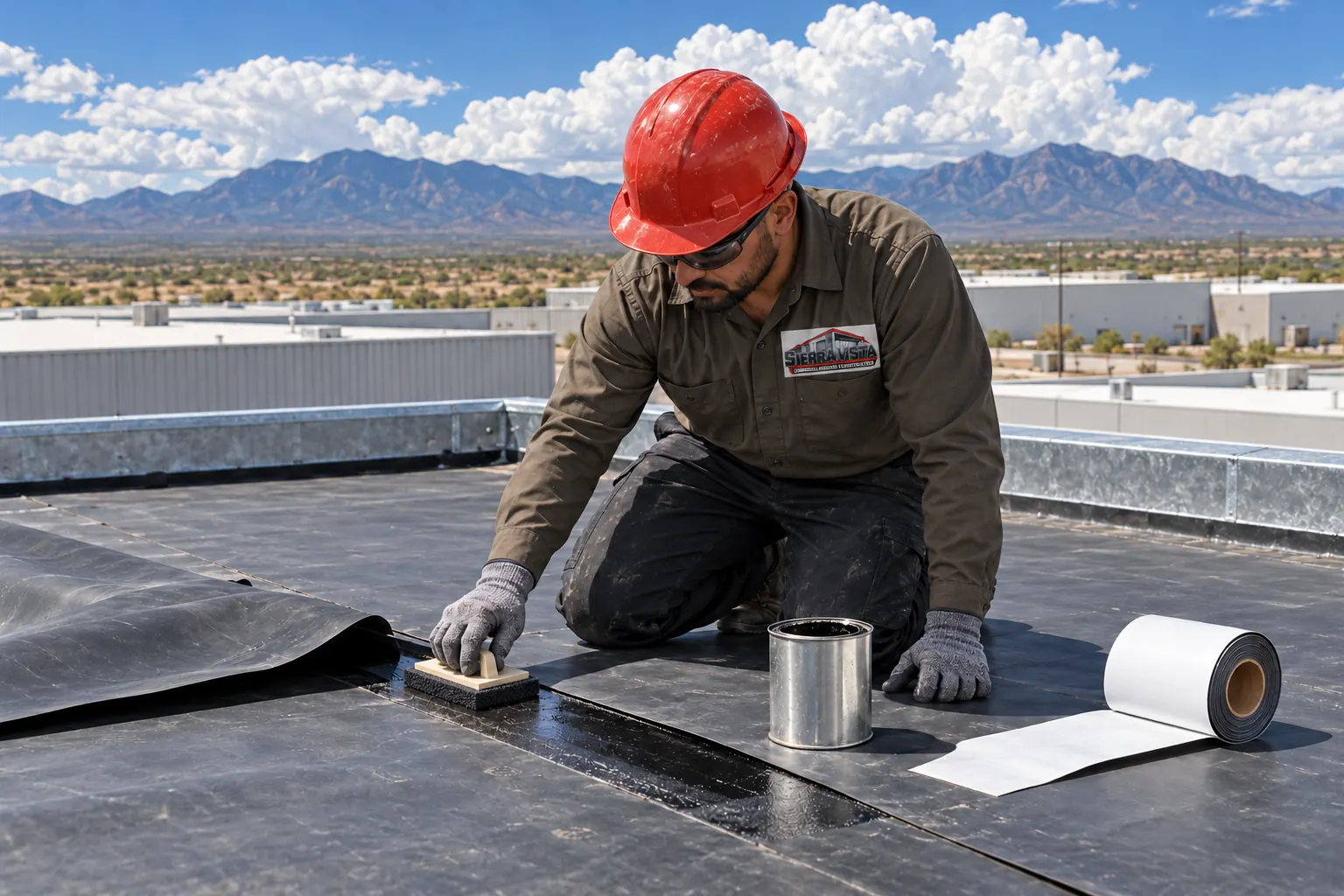
Roofer priming a black EPDM lap before applying seam tape

EPDM Roofing

EPDM suits small flat roofs behind parapets, with pliable flashing that wraps irregular walls and old penetrations.

EPDM roofing for flat roofs
Two roofers closing standing-seam metal panels with an electric seamer

Commercial Metal Roofing

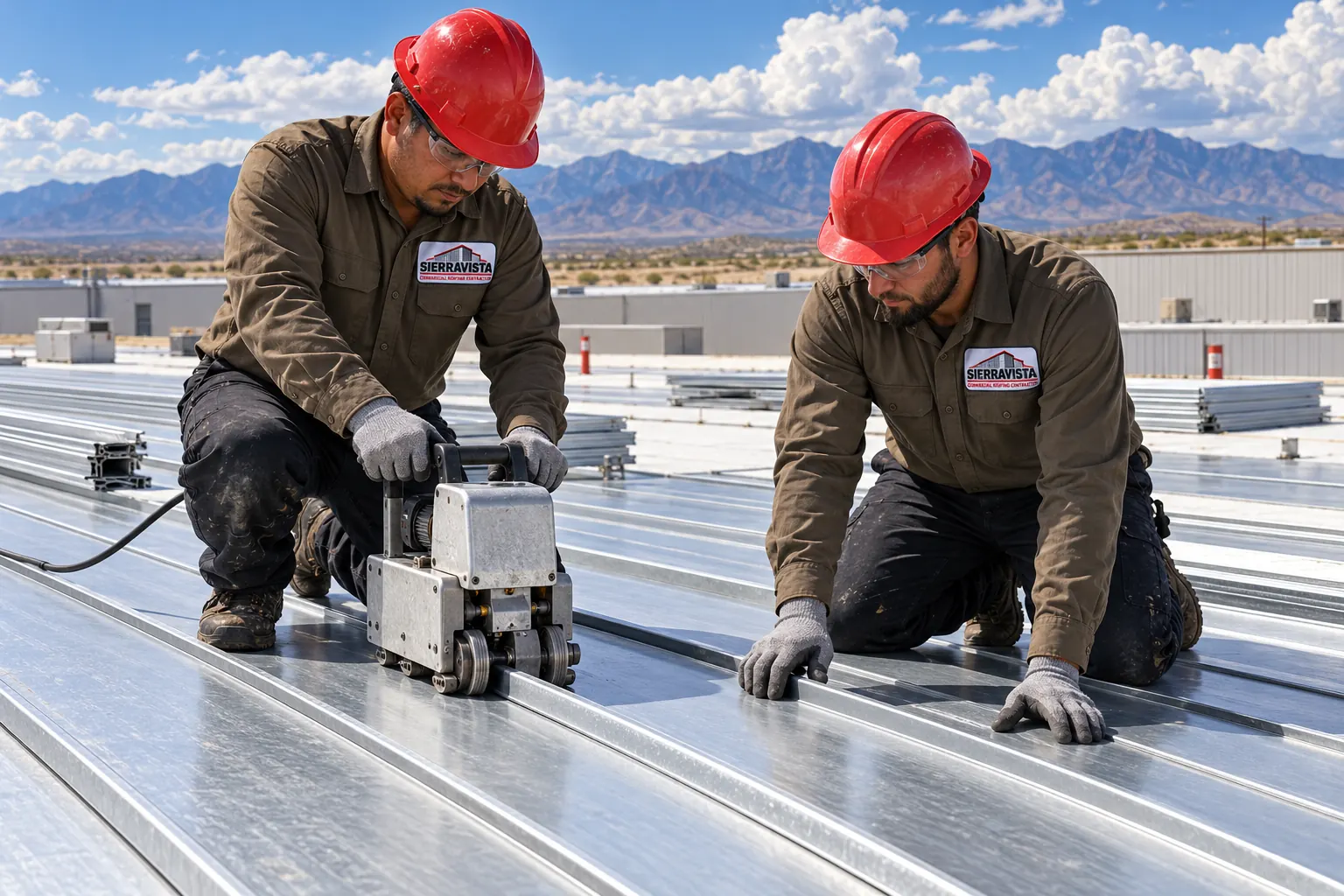
Metal panels where a sloped roof shows from the street, with the profile and color checked against the historic review before ordering.

Metal roofing for visible sloped roofs

Ceiling Stains Moving Around An Old Building?

Leaks on old roofs travel along the wood deck before they drip. Send us the building details and we will trace the water to its source before pricing any repair.

What To Have Ready

  • Photos of stains and wall cracks
  • Rough roof size
  • Wall type: adobe, brick, or wood
  • Whether the building is in the district

How We Reroof An Older Tombstone Building

Five steps, with extra care at the start for the deck, the walls, and the review.

  1. On The Roof

    Step 1: Inspect Your Roof

    We cut a small sample to count the old roofing and probe the boards beneath it. Parapet tops, scuppers, and wall cracks get photographed from the roof and the street.

  2. Paperwork

    Step 2: Check Visible Changes With The City

    Tombstone's code sets design standards for its historic district, and exterior changes visible from a street or alley usually need commission approval before the building permit. Roofs hidden behind parapets can face fewer limits, and city staff make that call.

  3. At The Building

    Step 3: Tear Off To A Solid Deck

    Old layers come off one section at a time so the building is closed up each night. Rotten boards are replaced as they turn up, and the deck is dried in before the next section opens.

  4. On The Roof

    Step 4: Rebuild Parapets And Scuppers

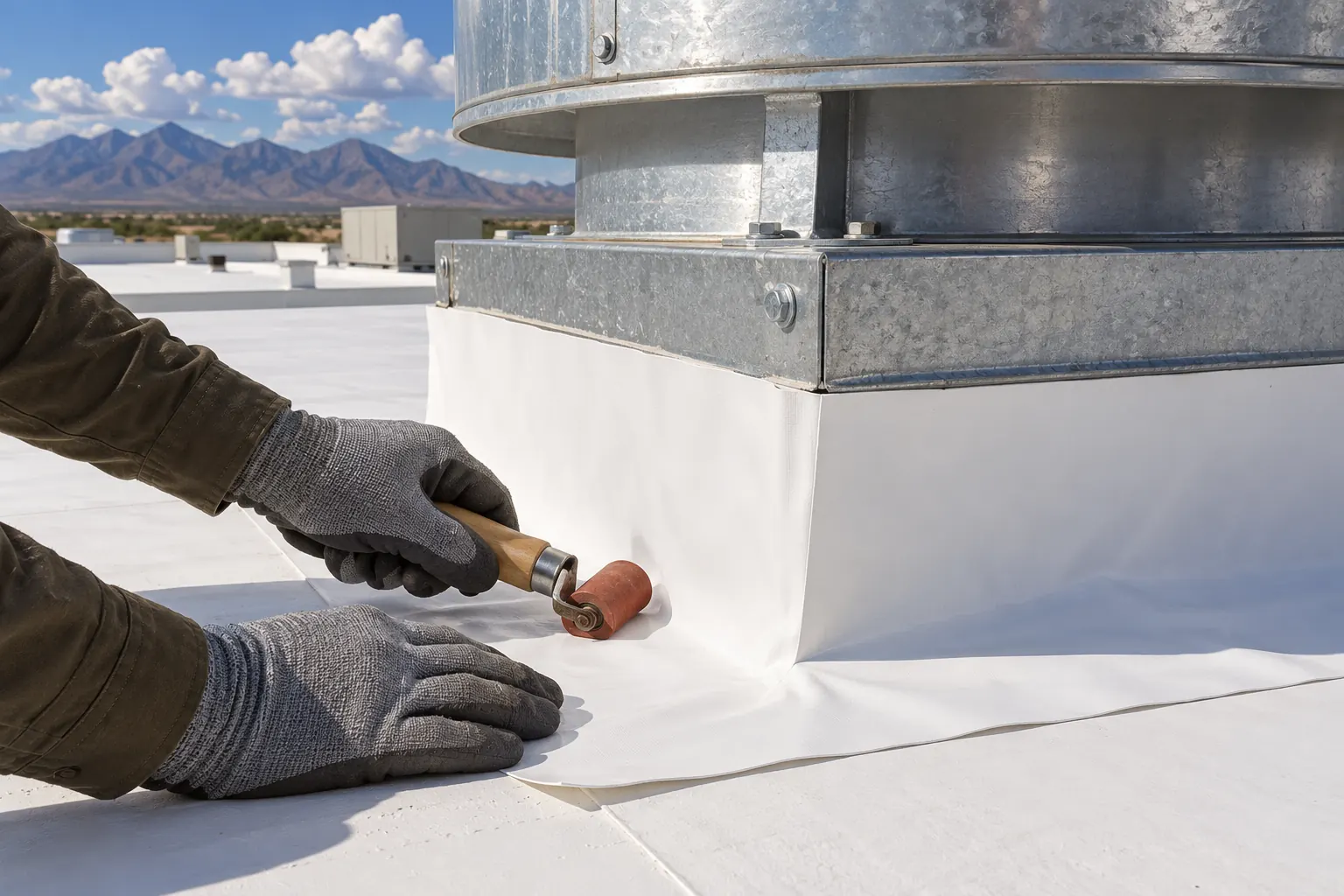
    Parapet caps go on with a slope toward the roof, and scuppers get lined and sized to clear monsoon rain. Membrane flashing turns up each wall and tucks under the cap.

    Gloved hands pressing white membrane flashing up a rooftop curb with a seam roller
  5. Paperwork

    Step 5: Close Out With Photos

    Photos of the deck, walls, and flashings taken during the work go to you at the final walk. They help with the next maintenance visit and any later review of the building.

What Tombstone Owners Ask A Commercial Roofing Contractor

Does Tombstone have special rules for roofing historic buildings?

Yes. Tombstone became a National Historic Landmark in 1961, and the city code sets design standards for its historic district. Exterior changes seen from a street or alley usually go to the historic commission before a building permit is issued.

Expect a review of roof shape, materials, and visible details, elevation drawings showing materials and colors, and extra lead time. Roofs behind parapets can face fewer limits, but the city decides, so we check with staff before choosing materials.

How do you know if the wood deck is still good?

A core cut and a walk with a probe tell us. Soft spots, dark staining on the boards, and fasteners that pull out by hand mark rot. Bad boards are replaced during tear-off, so the new roof goes on a deck that holds fasteners firmly.

How do you protect adobe parapet walls?

Keep water off the top and out of the wall. A metal cap sloped toward the roof sheds rain past both faces, and the roof membrane turns up the inside of the wall under that cap. Cracks in the plaster get noted so a mason can repair them.

Will our old roofing layers have to come off?

Only when the deck is solid and a single existing layer is in place. Many older Tombstone roofs carry several layers or hide rot, and either one means a full tear-off. A core cut settles it before the estimate is final.

Which roof system fits a small flat roof behind a parapet?

EPDM is a common fit. The rubber sheet stays flexible, wraps irregular walls and old penetrations, and patches simply. TPO also works where a white surface helps with summer heat. Either one ties into new flashing under the parapet cap.

Can roof work happen while the shop stays open to visitors?

Most shops can stay open with planning. Tourism is a mainstay of the Tombstone economy, so material deliveries and debris chutes are placed away from storefront doors and walkways, and noisy tear-off is scheduled before opening wherever the work allows it.

Who issues the building permit in Tombstone?

The City of Tombstone building and planning staff. Inside the historic district, commission review comes first for visible changes, and the building permit follows. Outside city limits, Cochise County Building Safety handles commercial roof permits instead.

Plan A New Roof For Your Tombstone Building

Call or send the building details. We will check the deck, parapets, and scuppers and explain what the review and permit will need.

Call UsGet A Free Estimate